
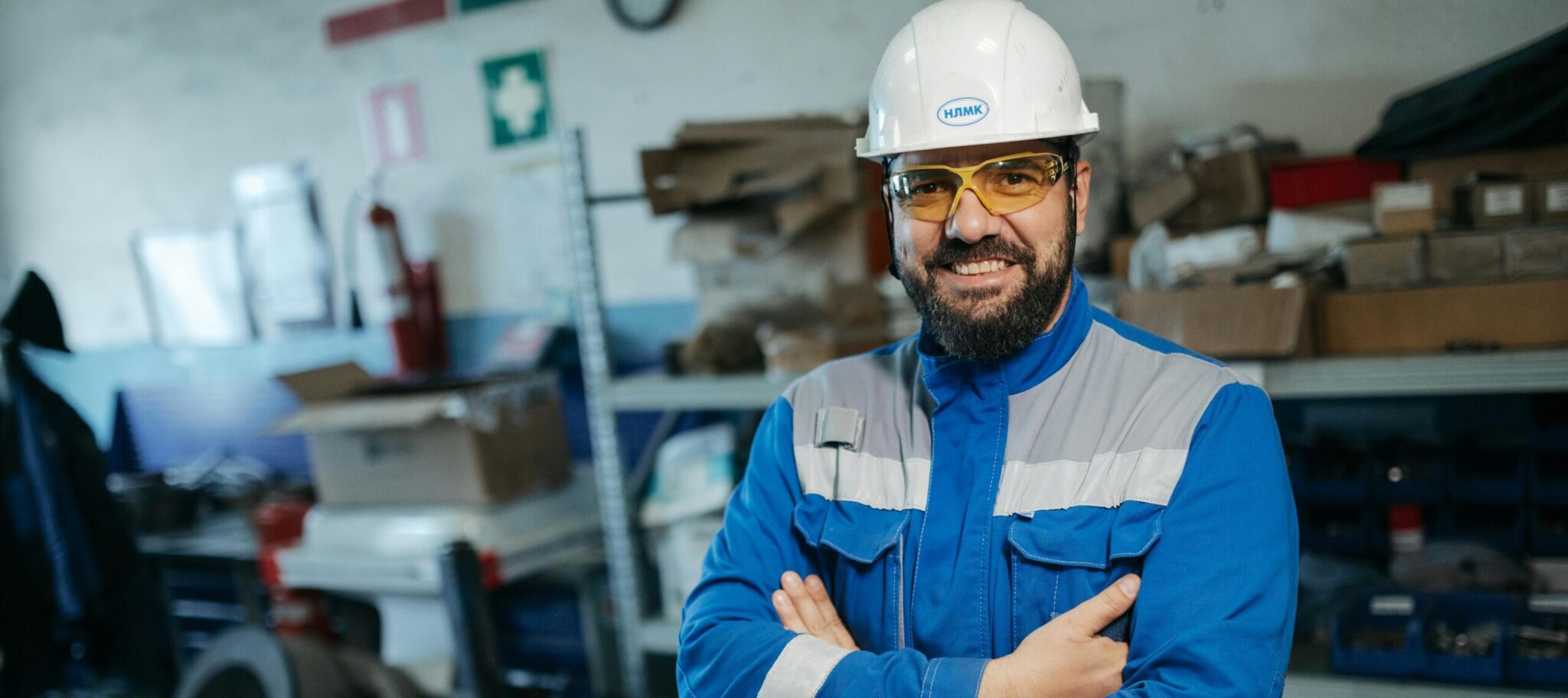
For many businesses, growth depends on one thing. The right equipment.
Whether it’s heavy machinery on a construction site, production systems in a factory, or specialized tools in a logistics operation, equipment directly affects how much work gets done and how efficiently it happens.
The challenge is cost.
High-quality equipment often requires a large upfront investment, which can slow down expansion plans or strain cash flow. That’s where equipment financing for construction and other industries becomes essential.
Instead of waiting until cash is available, businesses can access the tools they need now and pay over time. When used strategically, equipment financing helps companies stay productive, competitive, and ready for growth.
Why Equipment Matters Across Industries
Equipment is not just a business expense. It’s a performance driver.
Outdated or insufficient tools can lead to:
- Slower project timelines
- Reduced production output
- Higher maintenance costs
- Missed contracts or opportunities
On the other hand, the right equipment allows businesses to:
- Take on larger or more complex projects
- Improve efficiency and turnaround times
- Maintain consistent quality
- Scale operations with confidence
In industries like construction and manufacturing, equipment is directly tied to revenue.
What Is Equipment Financing?
Equipment financing allows businesses to acquire machinery, tools, or vehicles without paying the full cost upfront.
Instead, the cost is spread over time through structured payments, while the business uses the equipment to generate income.
In most cases:
- The equipment itself serves as collateral
- Payments are fixed over a defined period
- Ownership transfers to the business at the end (in financing structures)
This approach makes it easier for businesses to invest in essential tools without disrupting cash flow.
Equipment Financing for Construction Businesses
Construction is one of the most equipment-heavy industries. From excavators to loaders, cranes to concrete mixers, projects depend on having the right machinery available at the right time.
Why Construction Companies Use Equipment Financing
Construction businesses often rely on financing because:
- Equipment costs are high
- Projects are time-sensitive
- Cash flow can vary between contracts
Financing allows companies to:
- Acquire machinery quickly for new projects
- Expand fleet capacity to take on more work
- Replace outdated equipment that slows progress
- Avoid large upfront payments that limit working capital
Example
A construction company wins a contract that requires additional machinery. Instead of delaying the project or renting at high cost, they use equipment financing to purchase what they need and spread payments over time.
This allows them to start immediately and generate revenue from the project.
Equipment Financing for Manufacturing Businesses

Manufacturing depends on efficiency, precision, and output. Equipment plays a central role in all three.
How Financing Supports Manufacturing
Manufacturers use equipment financing to:
- Upgrade production lines
- Increase output capacity
- Improve product quality
- Reduce downtime and maintenance costs
Modern machinery can significantly improve productivity. Financing makes it possible to invest in those upgrades without halting operations.
Example
A manufacturing company needs to upgrade its production system to meet growing demand. Financing allows them to install new machinery while continuing to operate, increasing output without a major cash strain.
Beyond Construction and Manufacturing
While construction and manufacturing are key users, many other industries benefit from equipment financing.
Hospitality
Restaurants and hotels rely on kitchen equipment, furniture, and operational systems. Financing allows businesses to upgrade without draining reserves.
Healthcare
Medical equipment is often expensive but essential. Financing helps clinics stay current with technology and improve patient care.
Logistics and Transportation
Fleet upgrades improve delivery speed, reliability, and operational efficiency.
Retail
Point-of-sale systems, storage solutions, and operational tools support smoother business operations.
In each case, equipment is not optional. It’s central to how the business functions.
Key Benefits of Equipment Financing
1. Preserves Cash Flow
Instead of paying a large sum upfront, businesses can spread payments over time.
This allows them to maintain cash for:
- Daily operations
- Payroll
- Marketing
- Inventory
2. Enables Faster Growth
Waiting to accumulate cash can delay important upgrades.
Financing allows businesses to move forward immediately, capturing opportunities instead of missing them.
3. Improves Efficiency
Modern equipment improves speed, accuracy, and output.
This can lead to higher revenue without increasing workload significantly.
4. Reduces Operational Risk
Older equipment is more likely to break down.
Financing newer equipment reduces downtime and maintenance costs, improving reliability.
5. Supports Competitive Advantage
Businesses with better tools often outperform competitors.
Equipment financing helps companies stay current and competitive in their industry.
Equipment Financing vs Renting
Some businesses consider renting equipment instead of financing.
Renting
- No ownership
- Short-term use
- Can become expensive over time
Financing
- Ownership at the end
- Better long-term value
- More control over usage
For short-term needs, renting may make sense. For long-term operations, financing is often the better option.
What to Consider Before Financing Equipment
Before choosing equipment financing, businesses should evaluate a few key factors.
Business Needs
Only finance equipment that directly supports operations or growth.
Return on Investment
Ask:
- Will this equipment increase revenue?
- Will it reduce costs?
- How quickly will it pay for itself?
Repayment Structure
Ensure payments align with your cash flow.
Equipment Lifespan
Financing works best when the equipment will remain useful throughout the repayment period.
Common Mistakes to Avoid
- Financing equipment without a clear purpose
- Overextending on multiple upgrades at once
- Ignoring maintenance and operating costs
- Choosing terms that don’t fit revenue cycles
A strategic approach ensures the financing supports growth instead of creating pressure.
Staying Competitive with the Right Equipment
Industries like construction and manufacturing are constantly evolving. New technologies improve efficiency, safety, and output.
Businesses that invest in the right equipment are better positioned to:
- Take on larger contracts
- Deliver faster results
- Maintain consistent quality
- Adapt to changing market demands
Equipment financing makes these investments possible without requiring large upfront capital.
Moving Forward with the Right Tools
The right equipment can change how a business operates.
It can improve efficiency, increase revenue, and open the door to new opportunities. The challenge is making those upgrades without disrupting cash flow.
That’s where equipment financing becomes a practical solution.
For businesses looking at equipment financing for construction, manufacturing, or other industries, having access to flexible funding can make all the difference. Gulfstream Funding Solutions works with businesses to structure equipment financing that fits their operations, timelines, and growth plans.
When the right tools are in place, businesses are better equipped to move forward with confidence and compete at a higher level.
Making the Right Choice for Your Business
Equipment decisions shape how your business operates.
Choosing between leasing vs financing equipment is not just about cost. It’s about how you want your business to function and grow.
If the equipment is central to your operations and will deliver value over time, financing often makes more sense.
If your needs are short-term, evolving, or uncertain, leasing may be the better option.
For businesses weighing these options, having the right guidance matters. Gulfstream Funding Solutions works with businesses to structure equipment financing that aligns with how they operate, helping them invest in the tools they need without unnecessary strain on cash flow.
The goal isn’t just to get equipment. It’s to choose the approach that supports your business both now and in the long run.